
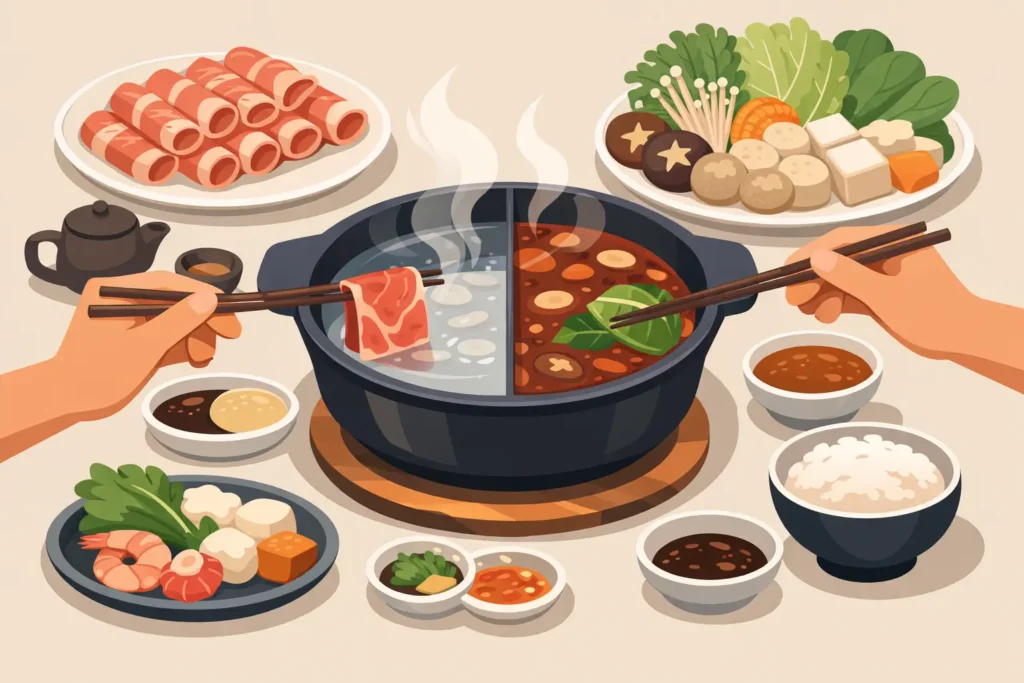
The first time shabu-shabu arrives at the table, it can feel like dinner and a choose-your-own-experience in one. If you’re wondering how to eat shabu shabu without overcooking the good stuff or missing the best parts of the meal, the short answer is simple: take your time, cook in stages, and let each ingredient shine.
What makes shabu-shabu special is that you stay in control from the first simmer to the last bite. You choose your broth, cook premium meats and vegetables right at the table, and build each bite the way you like it. It feels interactive, but it is not complicated once you understand the rhythm.
How to eat shabu shabu without overthinking it
Shabu-shabu is a Japanese hot pot style built around thinly sliced meat, fresh vegetables, noodles, tofu, and dipping sauces. The name comes from the swishing motion used to cook the meat in hot broth. That motion matters because most proteins in shabu-shabu are sliced thin for a reason – they cook fast, and they taste better when they stay tender.
The best approach is not to drop everything into the pot at once. Shabu-shabu is meant to be enjoyed in rounds. Start with a few vegetables to flavor the broth, then cook meat one piece at a time, then add more vegetables, seafood, tofu, or noodles as you go. That pacing gives you better texture, better flavor, and a meal that feels relaxed instead of rushed.
If you’re dining with a group, this style also keeps the table engaged. Everyone can customize bites, compare broth choices, and cook at their own speed. That’s part of the appeal – it is social, but still personal.
Start with the broth and the setup
Before anything hits the pot, take a quick look at what you have: broth, proteins, vegetables, noodles, tofu, and dipping sauces. Your broth is the base of the meal, but it is not the final flavor of every bite. Think of it as the cooking medium that gently seasons ingredients while keeping them clean and balanced.
A lighter broth lets premium beef stand out more clearly. If you’re cooking something like Black Angus Prime, Australia Wagyu, or Japanese A5, that matters. Richer or spicier broths can be great too, especially if you want a bolder bite, but they can compete more with delicate ingredients. There is no wrong choice here. It depends on whether you want the broth to support the ingredients or make more of a statement.
Once the broth is simmering, begin with hardy vegetables like cabbage, mushrooms, or greens. They add flavor to the pot without crowding it. This first round also gives the broth a little more character before you move on to the proteins.
The right way to cook the meat
For most people, the highlight of shabu-shabu is the meat. The technique is easy, but timing matters. Pick up one slice with chopsticks, dip it into the simmering broth, and swish it back and forth for a few seconds. That is the classic shabu-shabu motion.
Thin beef usually needs only a brief dip, often just long enough to change color. If you leave it in too long, you lose the tenderness that makes premium cuts worth ordering. Pork may need a little longer than beef, and seafood timing varies by thickness, but the same principle applies: cook just until done.
This is where many first-timers go wrong. They treat shabu-shabu like a boil. It is not. A rolling boil can toughen delicate meats and break apart softer ingredients. A steady simmer is better. Gentle heat gives you more control and better results.
If you ordered several proteins, start with milder options and move toward richer ones. That way the broth stays balanced longer, and you can taste the differences more clearly. Highly marbled beef, for example, leaves more richness behind than leaner cuts.
Dipping sauces are part of the experience
After cooking, the next step is the sauce. This is where each bite becomes your own. A sesame-based sauce gives you something creamy, nutty, and savory. A ponzu-style sauce brings brightness and a little acidity. Some diners stick with one favorite all meal long, while others switch depending on the ingredient.
Beef tends to pair beautifully with sesame sauce because it complements the richness. Vegetables and seafood often pop more with ponzu because the citrusy edge keeps things light. But there are no strict rules. If you like a richer finish on your greens or a sharper contrast with fatty wagyu, go with what tastes best to you.
The easiest mistake is drowning the food in sauce. A quick dip is enough. Shabu-shabu is designed around fresh ingredients, and the sauces should enhance them, not hide them.
Vegetables, tofu, and noodles are not side players
It is easy to focus on the meat, especially when premium cuts are on the table, but the rest of the ingredients are doing real work. Leafy greens, mushrooms, carrots, onions, tofu, and noodles add texture, absorb broth, and keep the meal balanced.
Vegetables generally need a little more time than thin-sliced meat, but not all of them cook at the same pace. Dense vegetables can go in earlier. Leafy greens and softer mushrooms can be added later and pulled out quickly. Tofu should be warmed through and handled gently so it does not break apart.
Noodles usually make the most sense toward the end of the meal. By then, the broth has picked up flavor from everything else in the pot. That is exactly what you want. Instead of tasting plain, the noodles soak up a richer, more layered broth and become a satisfying finish.
Pace the meal like a good hot pot dinner
One of the best things about shabu-shabu is that it never has to feel rushed. A good meal unfolds in rounds. You cook a little, eat a little, talk, then go back in for the next round. That pacing is part of why it works so well for date nights, family dinners, and group meals.
If you add too much at once, the broth temperature drops and everything cooks unevenly. The pot also gets crowded, which makes it harder to find what is done and what still needs time. Small batches solve both problems.
This is especially true when you are working with premium proteins. High-quality beef does not need much. A few seconds in the broth, a quick dip in sauce, and it is ready. When the ingredient is excellent, simple handling is usually the best handling.
At Shabu Wara, that hands-on rhythm is a big part of the experience. You get the fun of cooking at the table, but with the quality and variety that make each round feel worth slowing down for.
A few common mistakes to avoid
If your first shabu-shabu meal feels slightly awkward, that is normal. The good news is that the fix is usually easy. Overcooking the meat is the most common issue, followed closely by overloading the pot.
Another mistake is treating all ingredients the same. Thin beef, shrimp, mushrooms, tofu, and noodles each need different timing. Watching texture matters more than counting exact seconds. If it looks ready, it probably is.
Some diners also skip the vegetables until the end, but that misses part of what makes shabu-shabu so satisfying. The contrast between rich meat and fresh vegetables keeps the meal from feeling heavy. It is one reason this style of dining feels both indulgent and lighter than many other comfort meals.
The best last step is often the most satisfying
By the end of the meal, your broth has changed. It has picked up sweetness from vegetables, savoriness from meat, and depth from everything you cooked along the way. That final broth is valuable. It is the payoff for pacing the meal properly.
This is why many diners finish with noodles or another starch. It turns the last part of the pot into something deeply comforting and full of flavor. If you still have dipping sauce left, you can use it lightly, but often the broth at this stage is seasoned enough to stand on its own.
If you’re learning how to eat shabu shabu, remember that the goal is not to perform it perfectly. It is to enjoy a meal that is fresh, interactive, and built around your preferences. Start with good broth, cook in small rounds, respect the timing on premium ingredients, and let the meal unfold at its own pace. Once you get the feel for it, shabu-shabu stops being something you have to figure out and starts becoming the kind of dinner you look forward to ordering again.